10 Essential Items Every First-Time Backpacker Needs
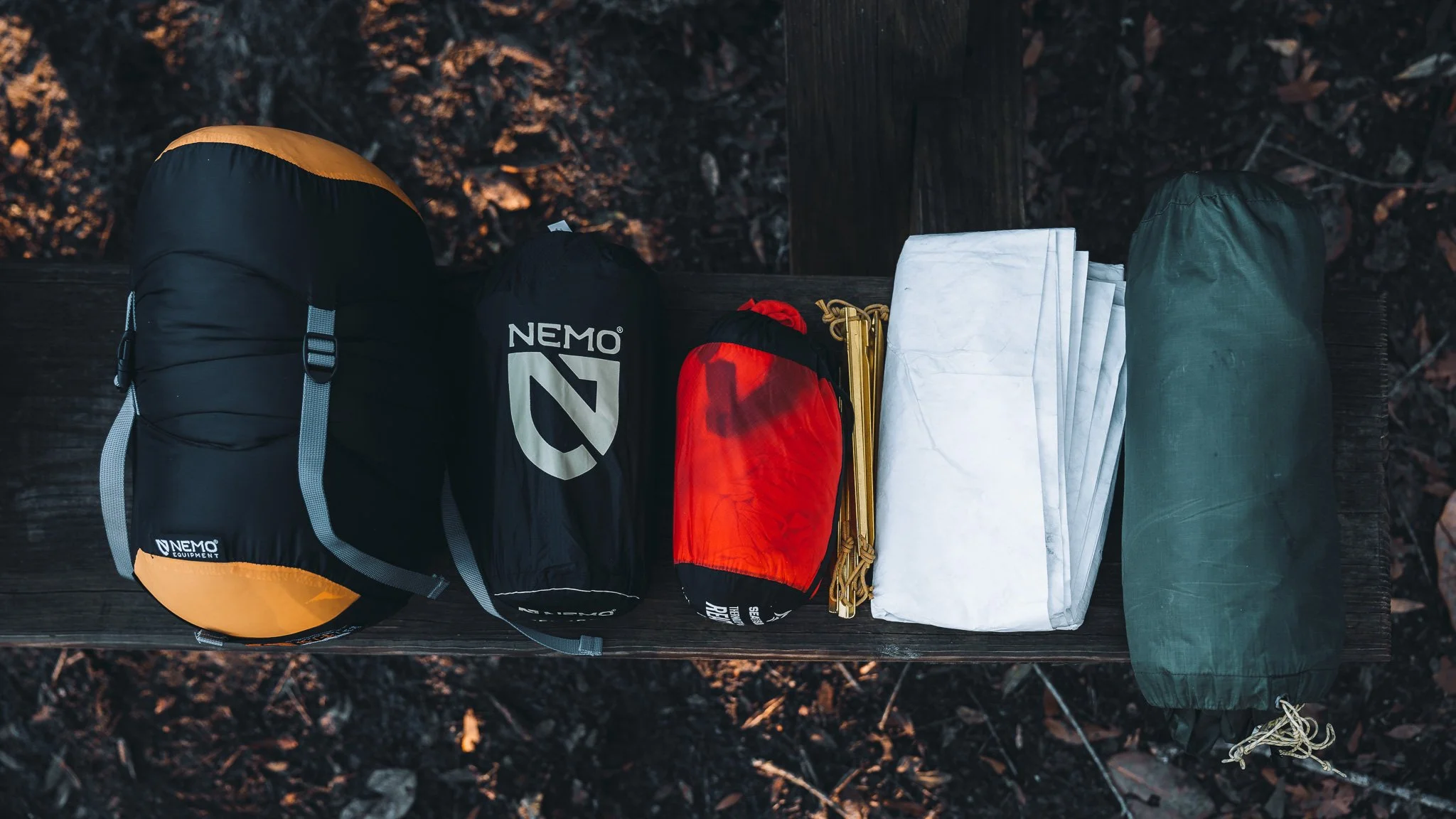
So, you want to go camping and you are starting your research into what to bring. During your search online you probably seen multiple articles about the 10 essential items of camping.
Many first-time campers assume they need the latest gear or an expensive setup. The truth is that successful camping isn't about having the most equipment, it's about bringing the right equipment. The outdoor community has long relied on a simple system known as the 10 Essentials, a collection of items that help keep you safe, comfortable, and prepared for unexpected situations.
Whether you're spending a weekend at a local campground or venturing into the backcountry for your first overnight adventure, being prepared can make the difference between a memorable trip and a miserable one.
Before packing for your first camping trip, make sure these ten essentials are on your checklist.
THE TEN ESSENTIALS
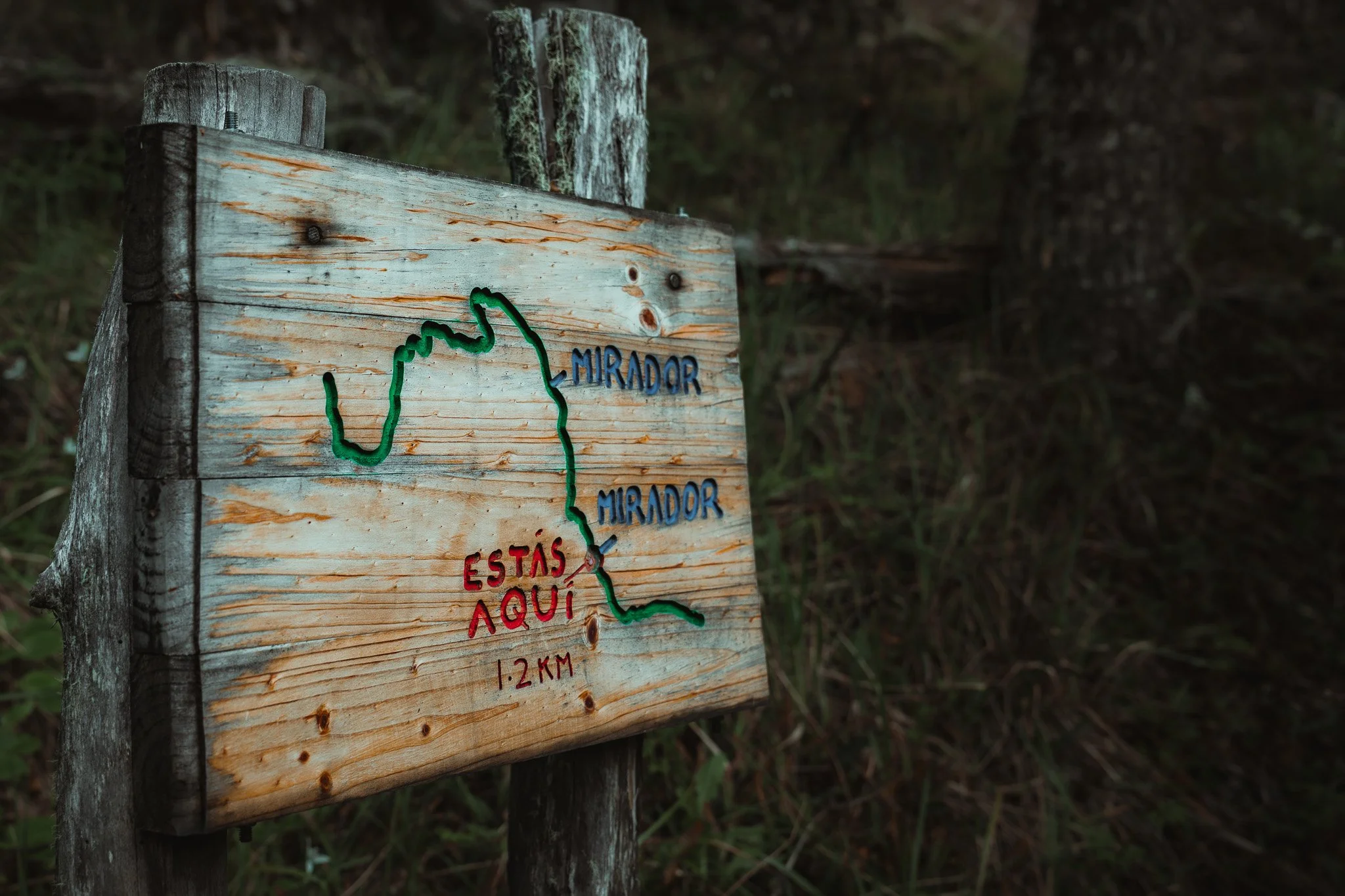
1. Navigation
Beginner Tip: Never rely solely on your phone for navigation.
Knowing where you're going is just as important as getting there safely. Even well-marked trails can become confusing, especially in poor weather or low visibility.
Carry a map of the area and a compass and learn how to use them before heading out. While smartphone GPS apps are helpful, batteries die and cell service can disappear quickly. A dedicated GPS device or downloaded offline maps can provide an extra layer of security, but traditional navigation skills remain invaluable.
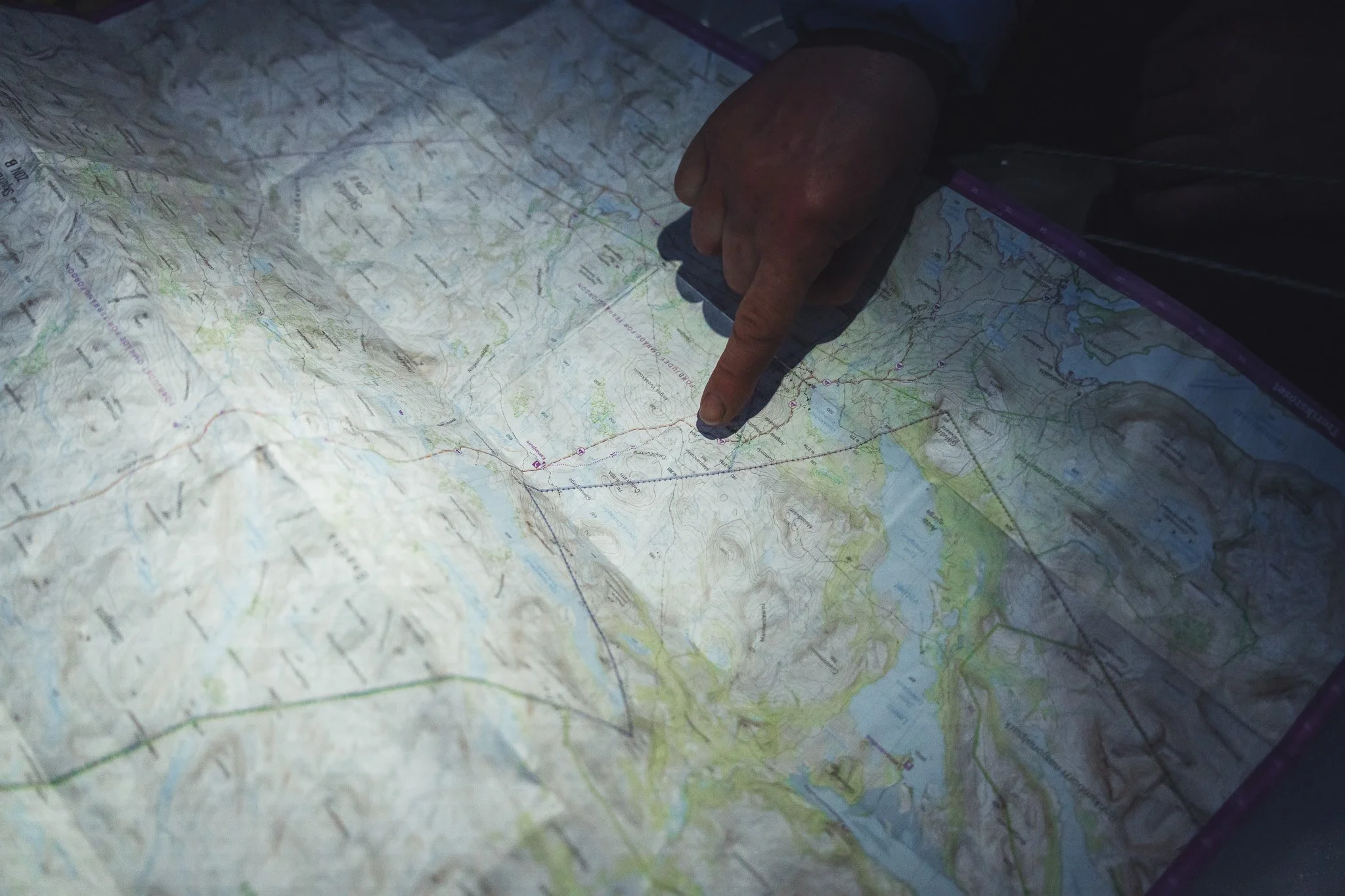
Map
The good old paper map. They are reliable tools for navigation, offering a clear overview of routes and terrain. Having a physical map is a great backup, since it doesn’t rely on cell service or the internet and is immune to battery failures.
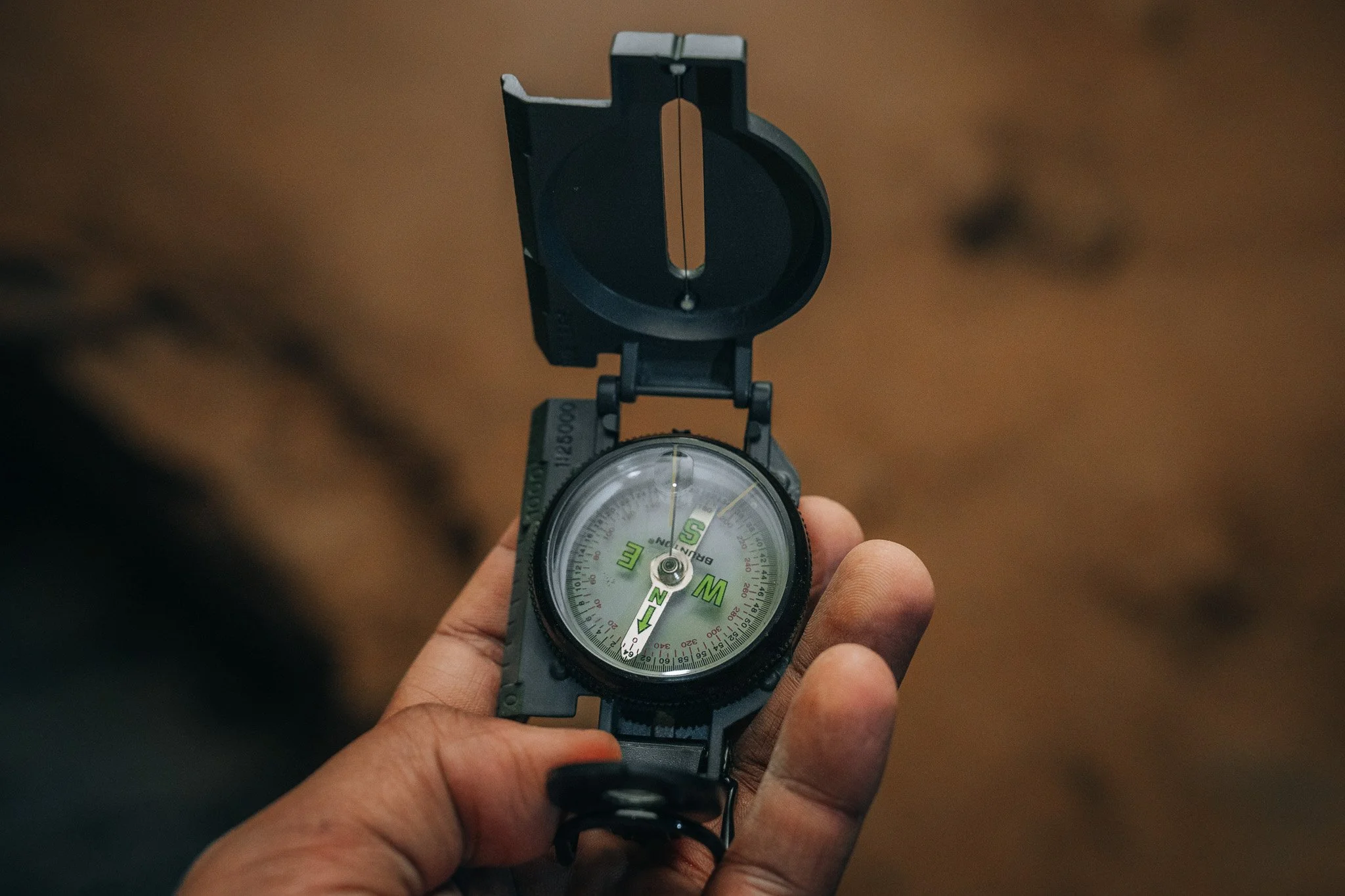
Compass
The compass is a useful add-on tool for the map. It helps establish a clear heading and lets you orient yourself on the map with greater confidence.
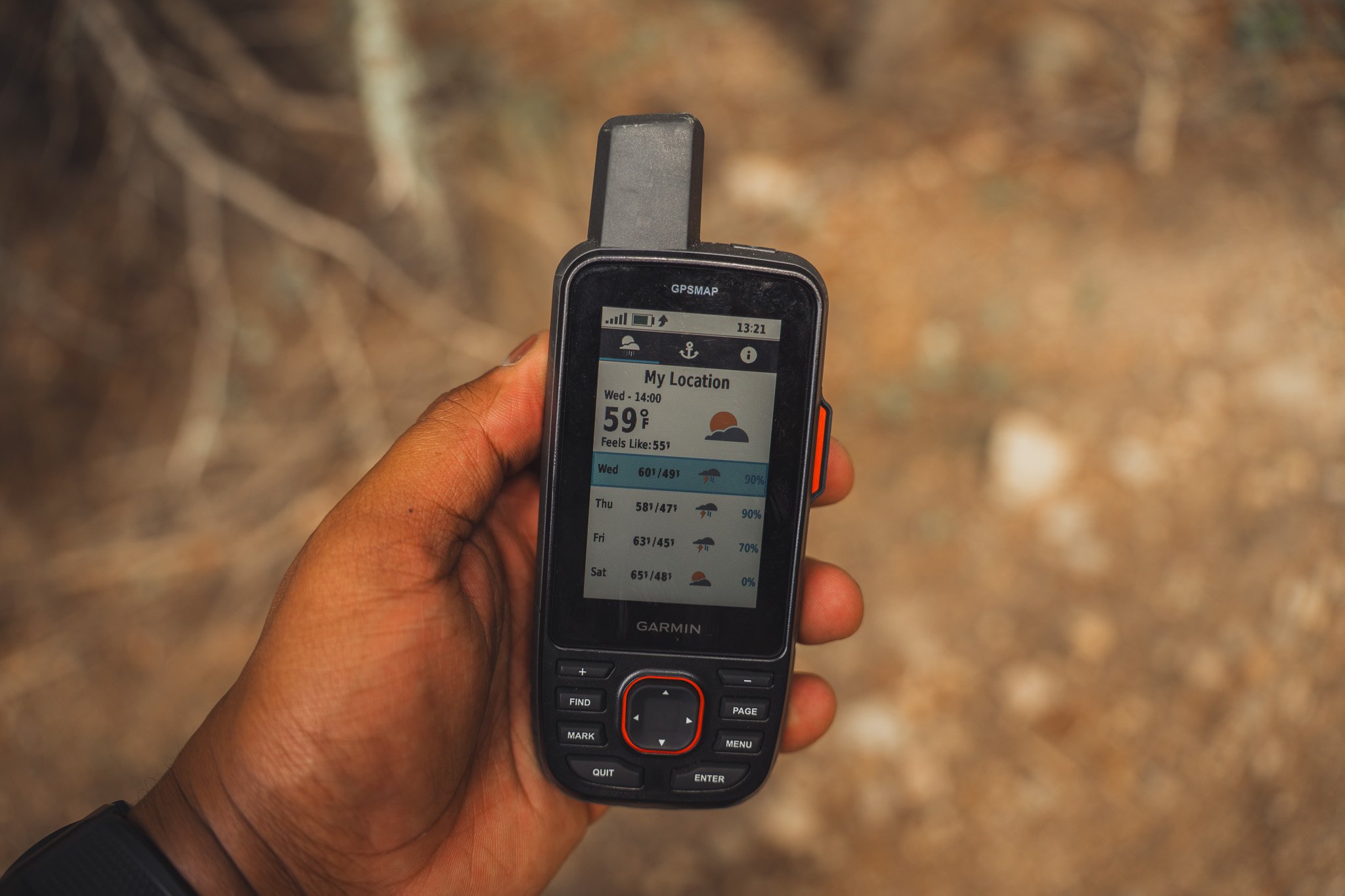
GPS
A dedicated GPS is a very helpful navigation tool, and many modern systems also double as satellite communicators for added safety and connectivity.
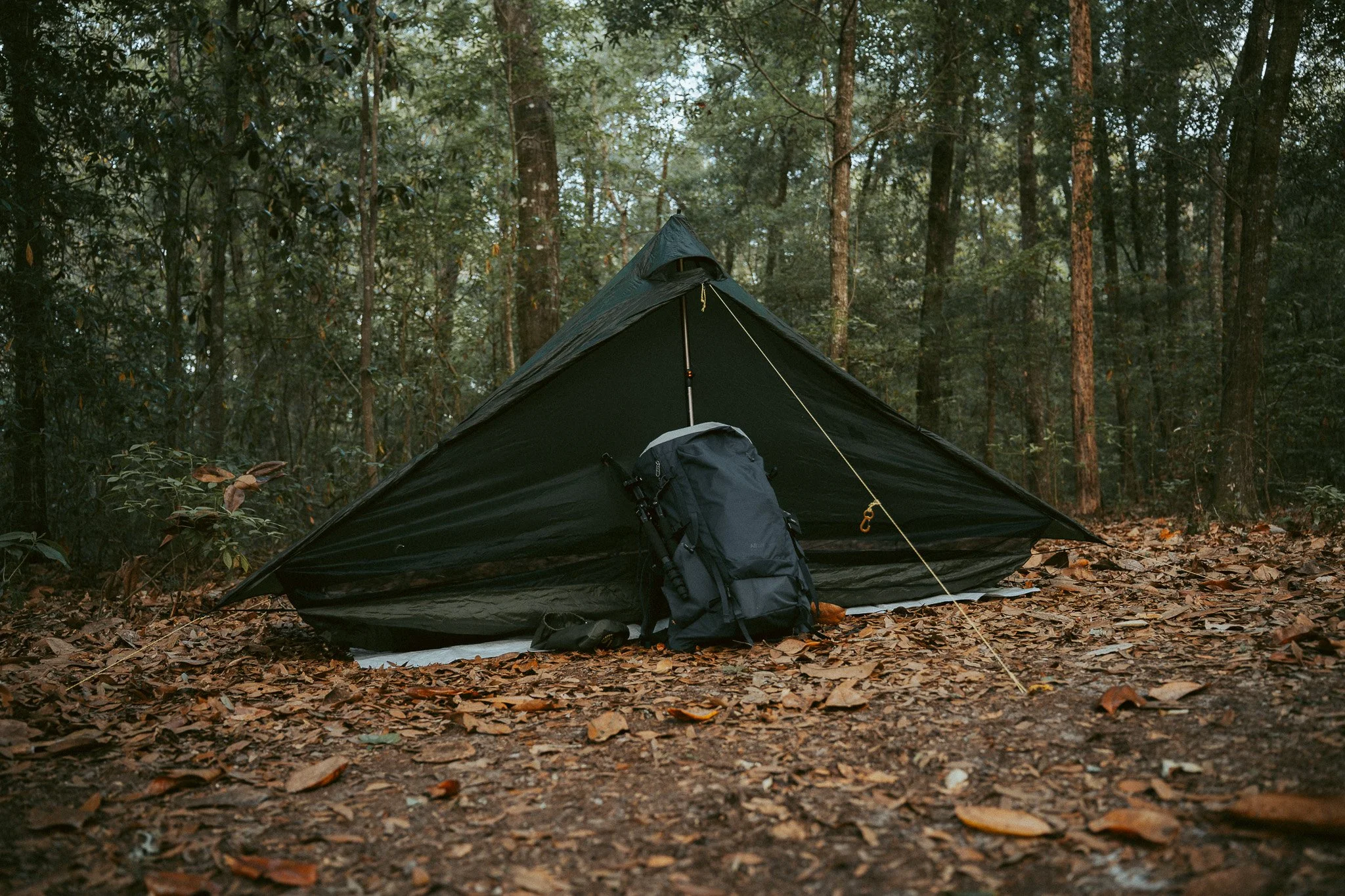
2. Shelter
Beginner Tip: Set up your tent at home before your trip so you're not learning in the dark after arriving at camp.
Your shelter protects you from rain, wind, insects, and changing temperatures. For most first-time campers, a quality tent is the easiest and most reliable option.
Choose a tent that's easy to set up, includes a waterproof rainfly, and provides enough room for both you and your gear. If you're camping with another person, consider sizing up to make your stay more comfortable.
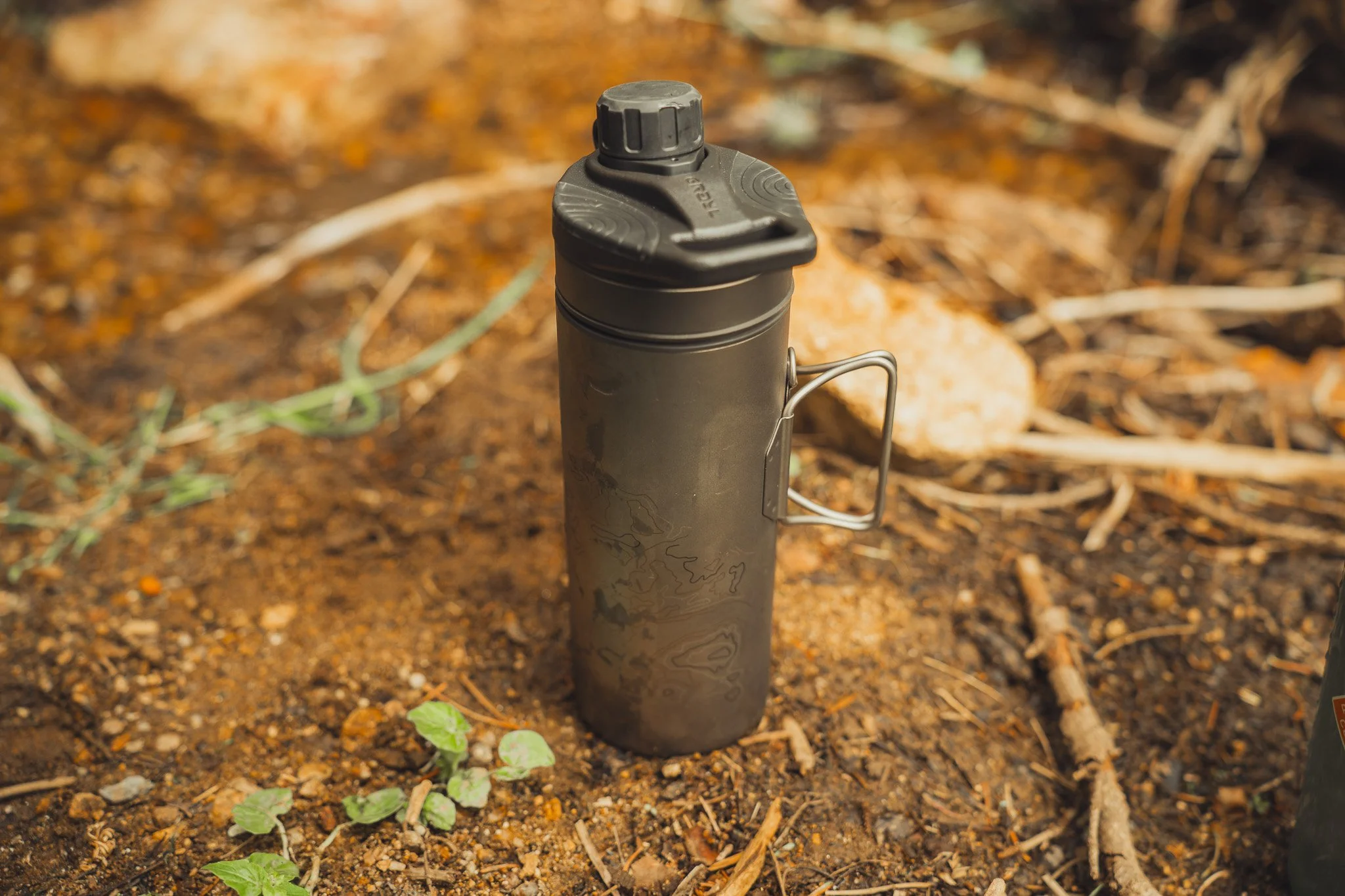
3. Water
Beginner Tip: Always carry more water than you think you'll need, especially during warm weather.
Hydration is essential during any outdoor adventure. Even mild dehydration can affect your energy, decision-making, and overall enjoyment.
Bring plenty of drinking water if you're staying at a campground. If you're camping in more remote locations, carry a water filter, purification tablets, or another reliable treatment method so you can safely collect water from natural sources.
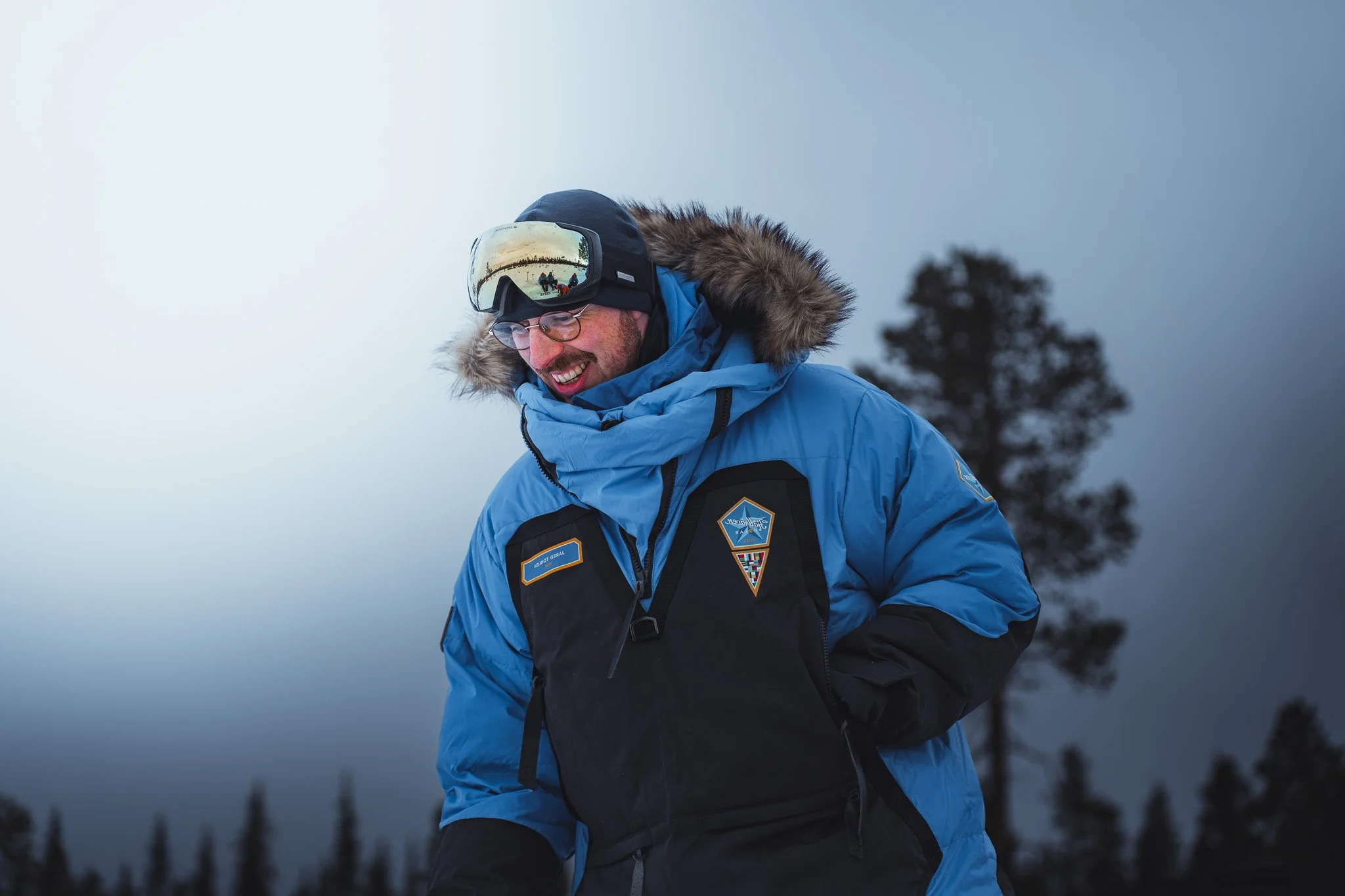
4. Appropriate Clothing
Beginner Tip: Pack for the weather forecast but prepare for unexpected changes.
Weather conditions can change quickly outdoors, even during the summer. Dressing in layers allows you to adapt throughout the day.
A moisture-wicking base layer, an insulating middle layer, and a waterproof outer layer will keep you comfortable in most conditions. Don't forget extra socks, a warm hat for cool evenings, and rain gear.
Avoid cotton whenever possible because it retains moisture and can leave you feeling cold once it gets wet.
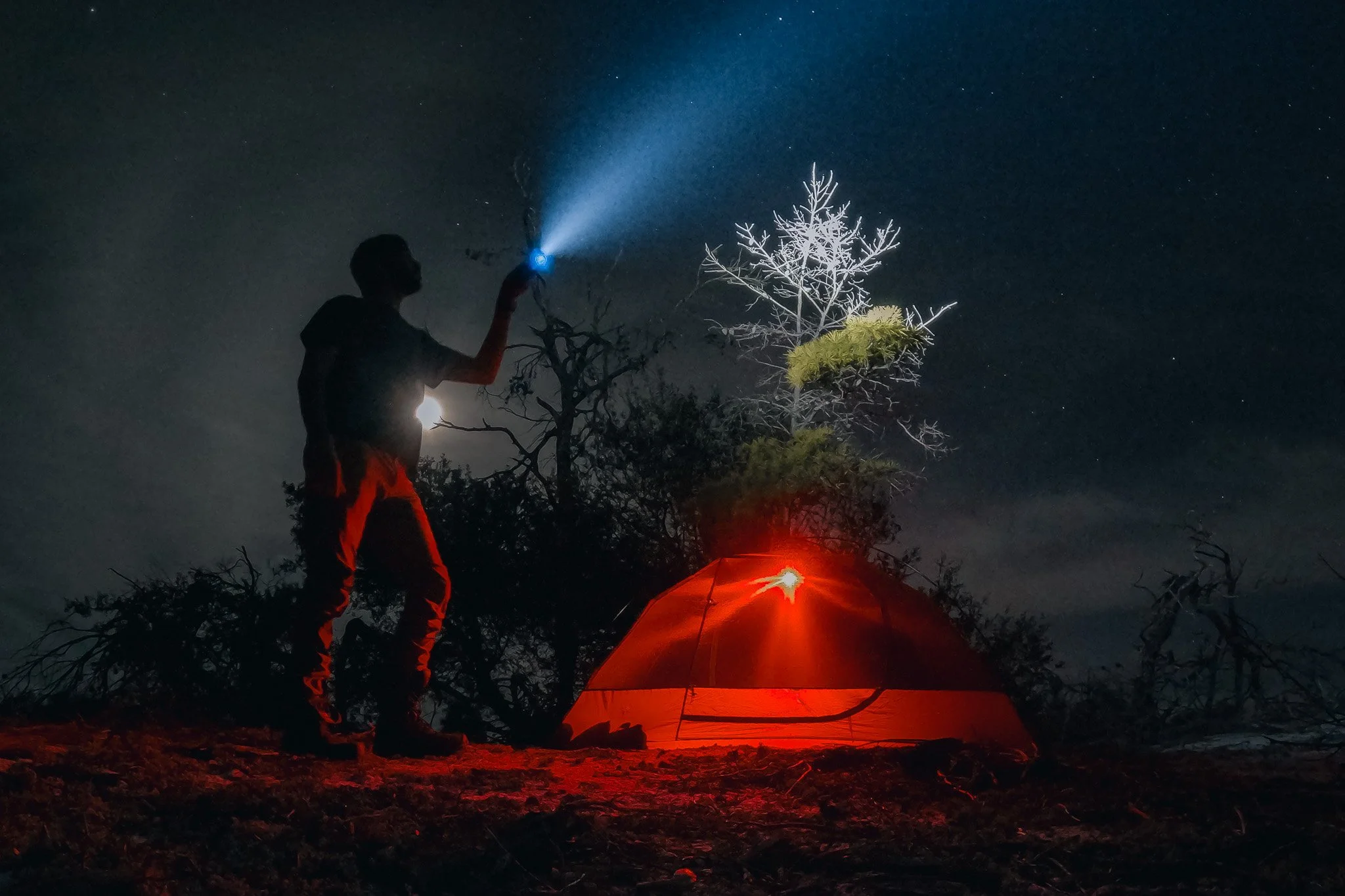
5. Illumination
Beginner Tip: Keep your headlamp inside your tent so you can easily find it during the night.
Once the sun goes down, your campsite can become surprisingly dark. Every camper should carry a dependable light source.
A headlamp is one of the most useful pieces of camping gear because it keeps your hands free while cooking, setting up camp, or walking to the restroom. Bring extra batteries or a fully charged rechargeable light just in case.
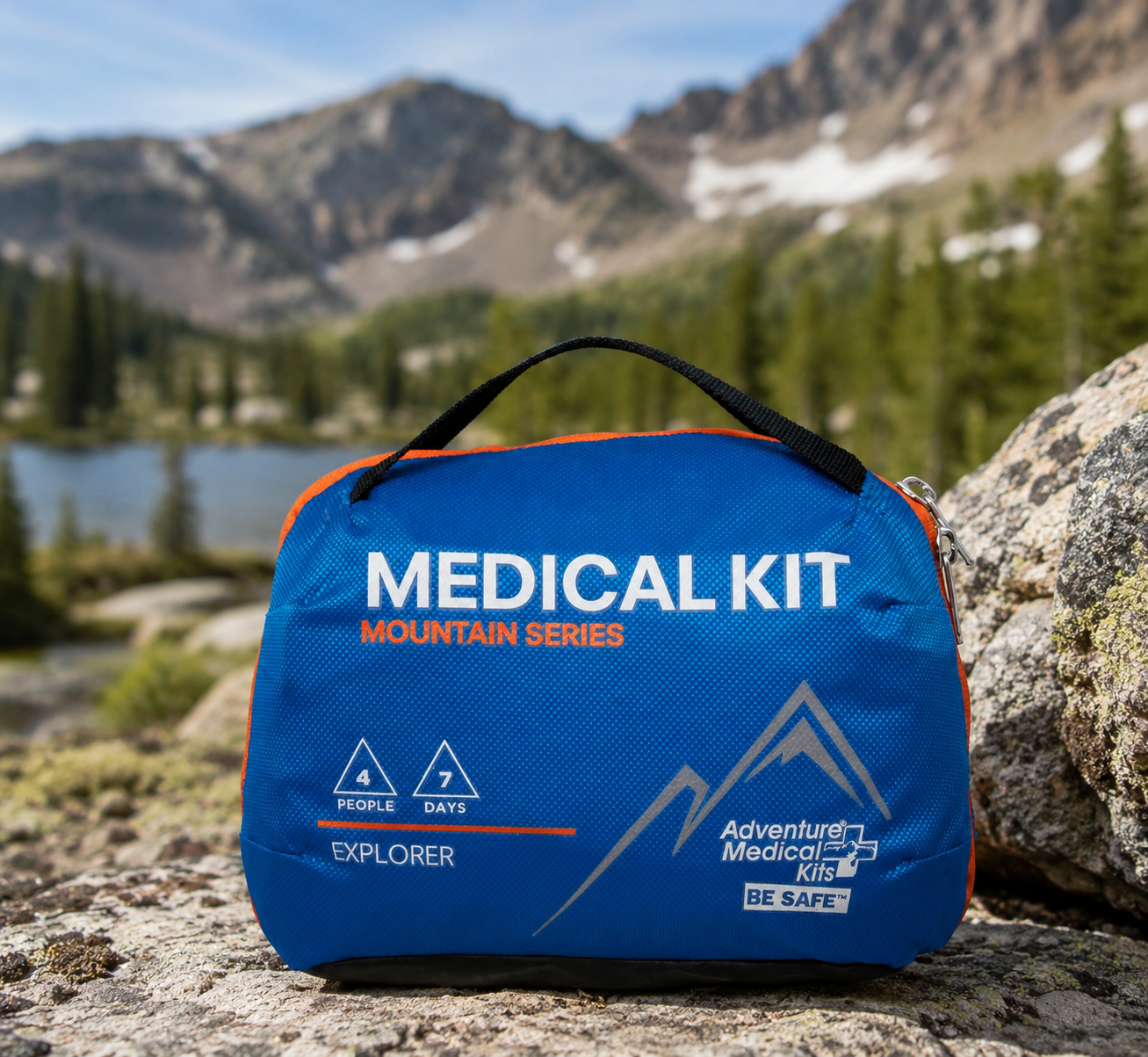
6. First Aid
Beginner Tip: Review basic first aid skills before your trip. You'll be more confident if an emergency arises.
Minor injuries such as blisters, scrapes, cuts, or insect bites are common while camping. A basic first aid kit helps you handle small problems before they become bigger ones.
Your kit should include bandages, antiseptic wipes, gauze, medical tape, tweezers, pain relievers, and any personal medications you require. Just as important as carrying the kit is knowing how to use it.
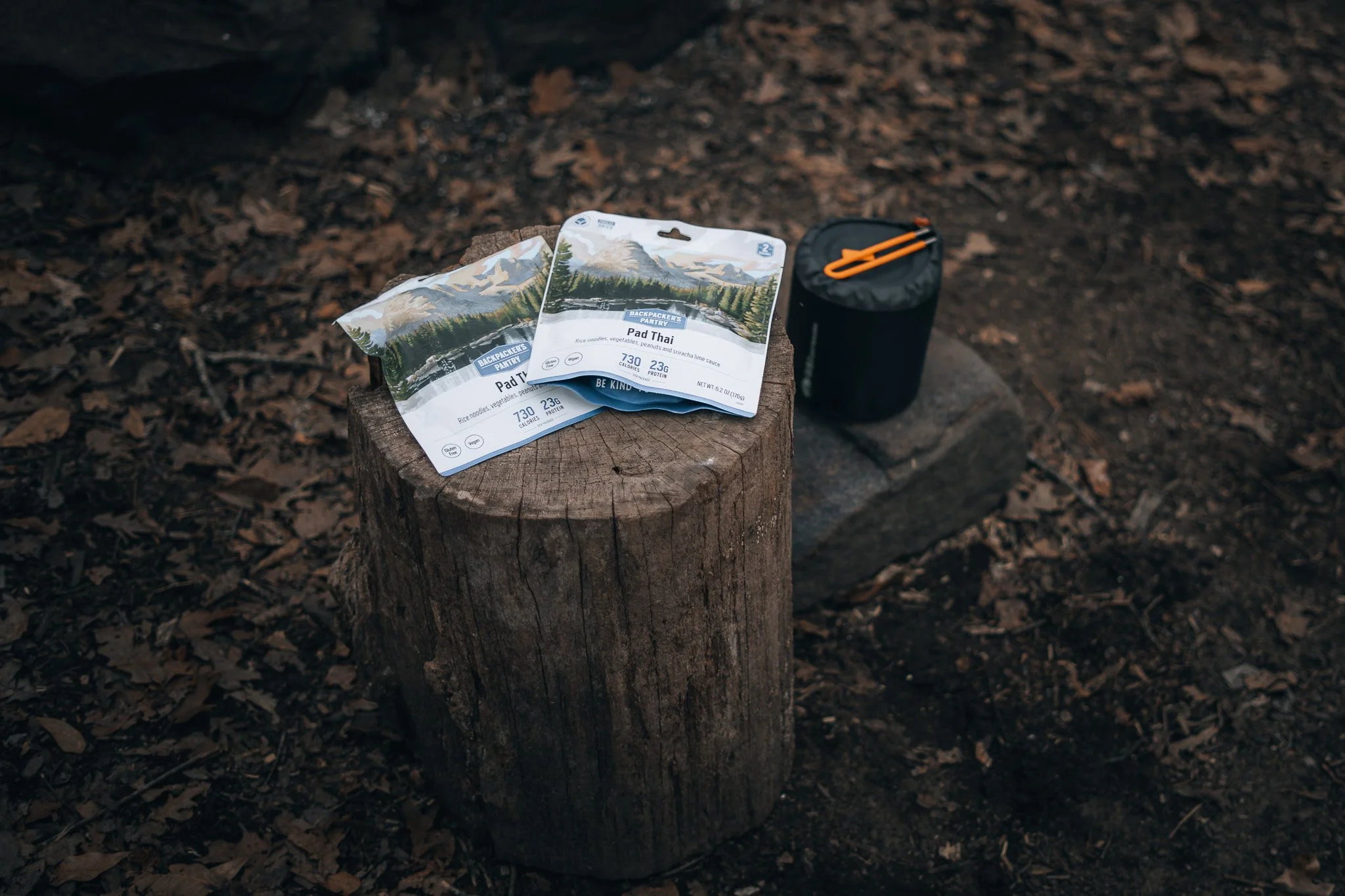
7. Nutrition
Beginner Tip: Plan your meals before leaving home to avoid overpacking or forgetting essential ingredients.
Outdoor activities burn more calories than many people expect. Having enough food helps maintain your energy throughout the day.
Choose meals that are simple to prepare and pack high-energy snacks like trail mix, granola bars, jerky, or dried fruit. Even if you're only planning a short trip, bring extra food in case weather or unexpected delays keep you outdoors longer than planned.
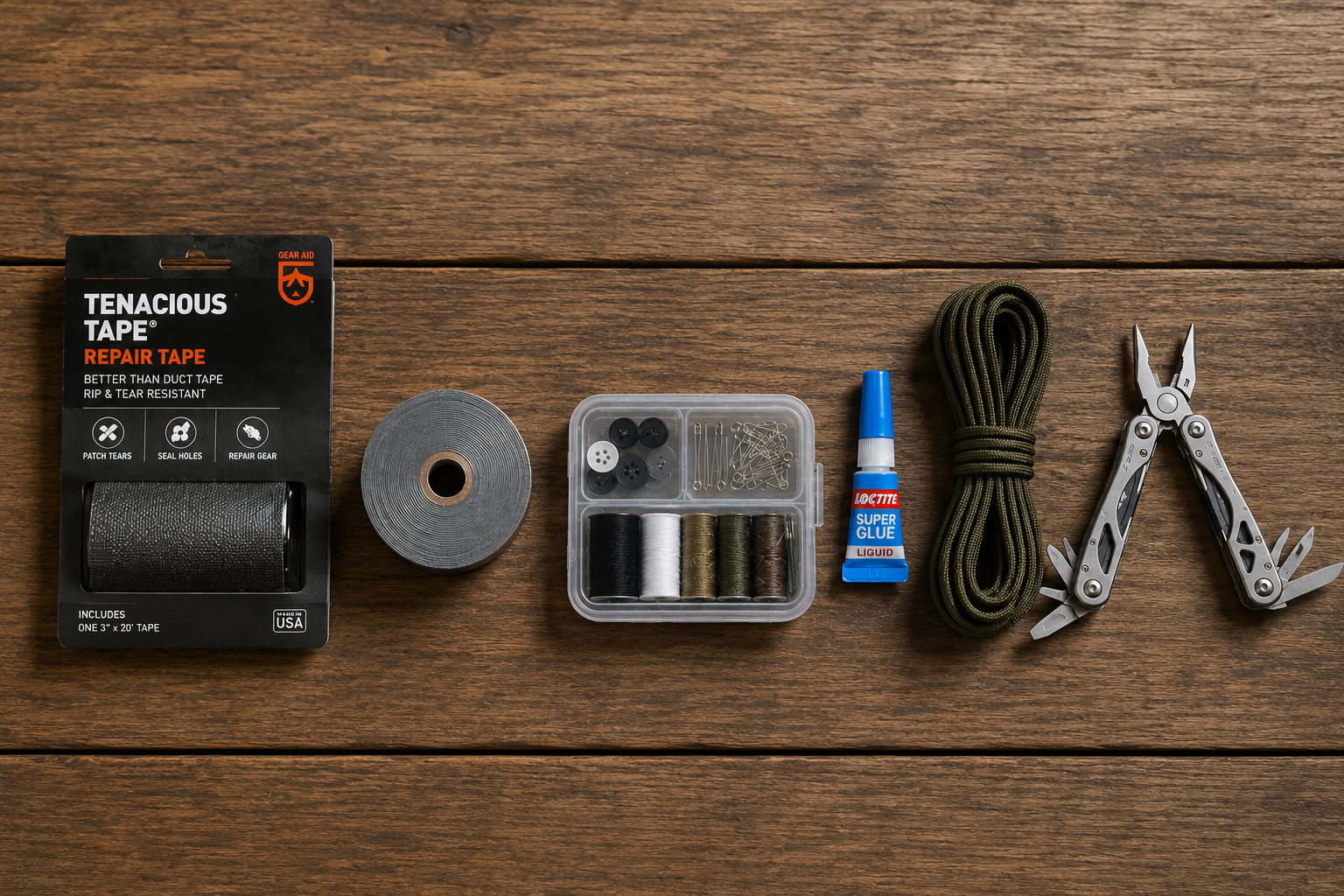
8. Repair Kit and Tools
Beginner Tip: Keep your repair supplies together in a small waterproof bag for easy access.
Gear occasionally breaks, but a few simple tools can prevent a minor issue from ending your trip early.
A multi-tool or pocket knife is useful for countless campsite tasks, while duct tape, zip ties, extra tent stakes, and repair patches can help fix damaged equipment. Having a small repair kit means you're ready for unexpected problems.
9. Fire
Beginner Tip: Learn how to safely build and extinguish a campfire before your first camping trip.
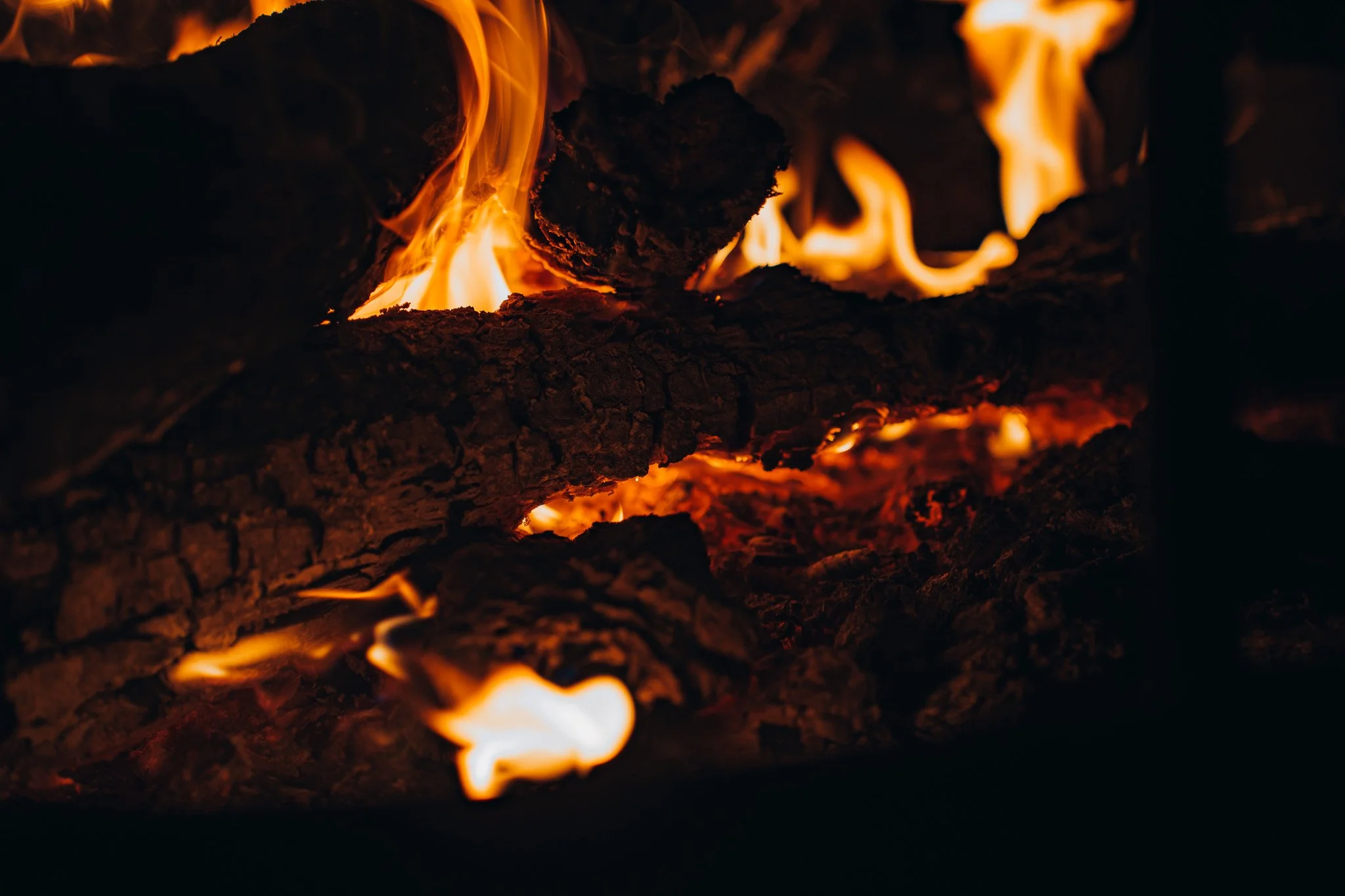
Fire provides warmth, allows you to cook meals, and can boost morale after a long day outdoors. However, it should always be used responsibly.
Carry waterproof matches, a lighter, and a fire starter such as fire cubes or dryer lint stored in a waterproof container. Before lighting any fire, check local fire restrictions and campground regulations.
Remember to completely extinguish every campfire before leaving or going to bed.
10. Sun Protection
Beginner Tip: Reapply sunscreen throughout the day, especially after hiking or sweating.
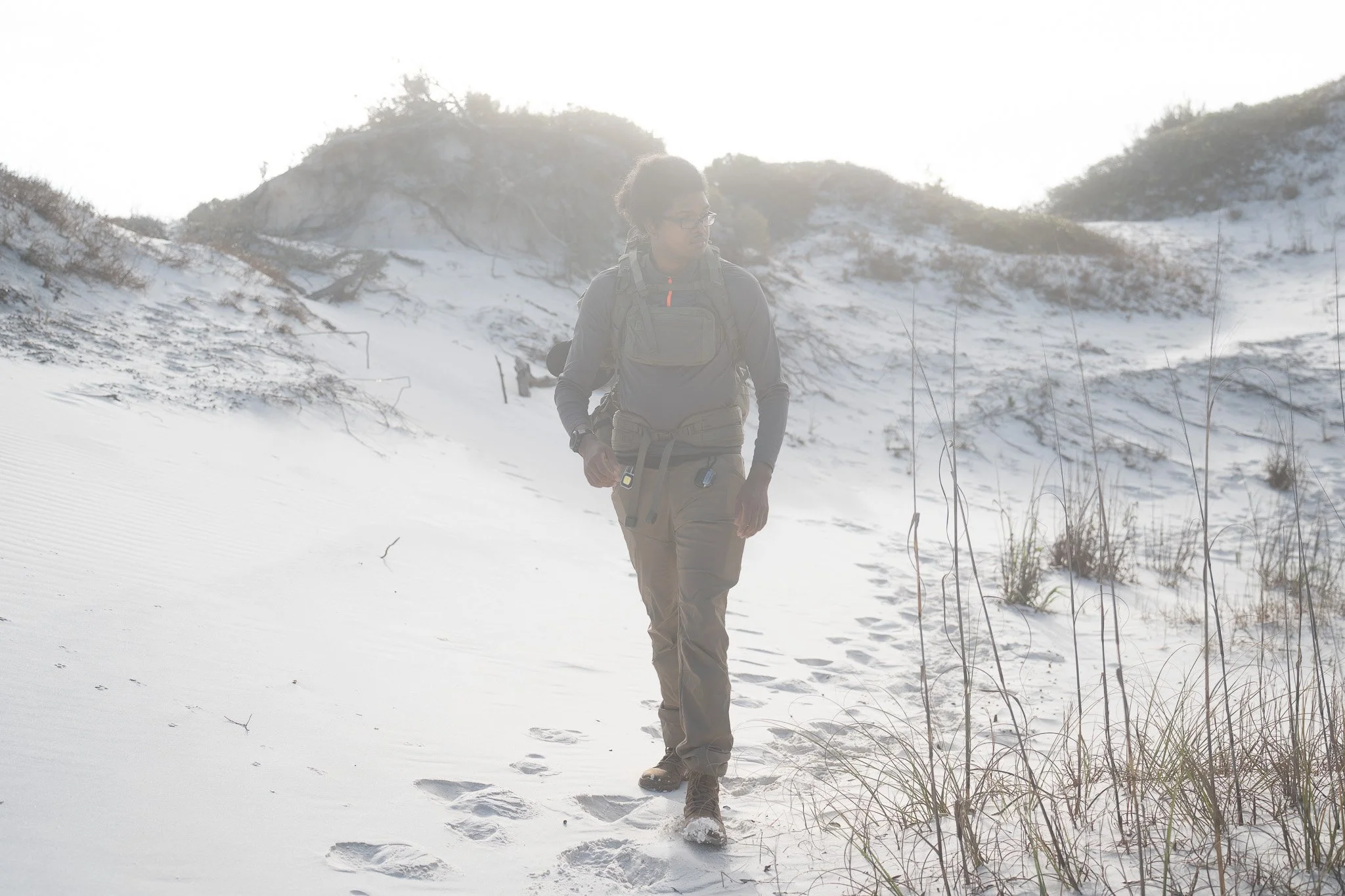
Many new campers underestimate how much time they'll spend exposed to the sun. Even on cloudy days, ultraviolet rays can cause sunburn and dehydration.
Pack sunscreen with SPF 30 or higher, sunglasses, a wide-brimmed hat, and lip balm with SPF protection. Lightweight, long-sleeve clothing can also help reduce sun exposure while keeping you cool.